How Much Do Online Coding Classes for Kids Cost in 2026?
US live coding for kids often runs $20–$50+ per tutor hour. GeekashramJr live online coding and AI classes are about $6–$11 per session, with a $3 trial — here’s what that buys.
Cost, live vs YouTube, grade curriculum, and which course to book first.
US live coding for kids often runs $20–$50+ per tutor hour. GeekashramJr live online coding and AI classes are about $6–$11 per session, with a $3 trial — here’s what that buys.

YouTube is free. Apps are cheap. Live online coding is worth it when your child needs a mentor, a finished project, and a pace that matches Grade 3–12 — not another abandoned playlist.
Compare live online coding and AI classes for kids: GeekashramJr vs YouTube vs other live platforms — mentors, projects, batch size, and price ranges. No invented competitor fees.
Grade 3–5 start with Scratch. Grades 5–8 add Python with AI and web. Grades 8–12 go deeper on AI/LLMs and robotics. Here is the GeekashramJr map with syllabus links.
Scratch first for Grade 3–5. Python with AI when they can type. Web if they want something they can share in a browser. Use this decision tree, then read our Scratch vs Python guide.
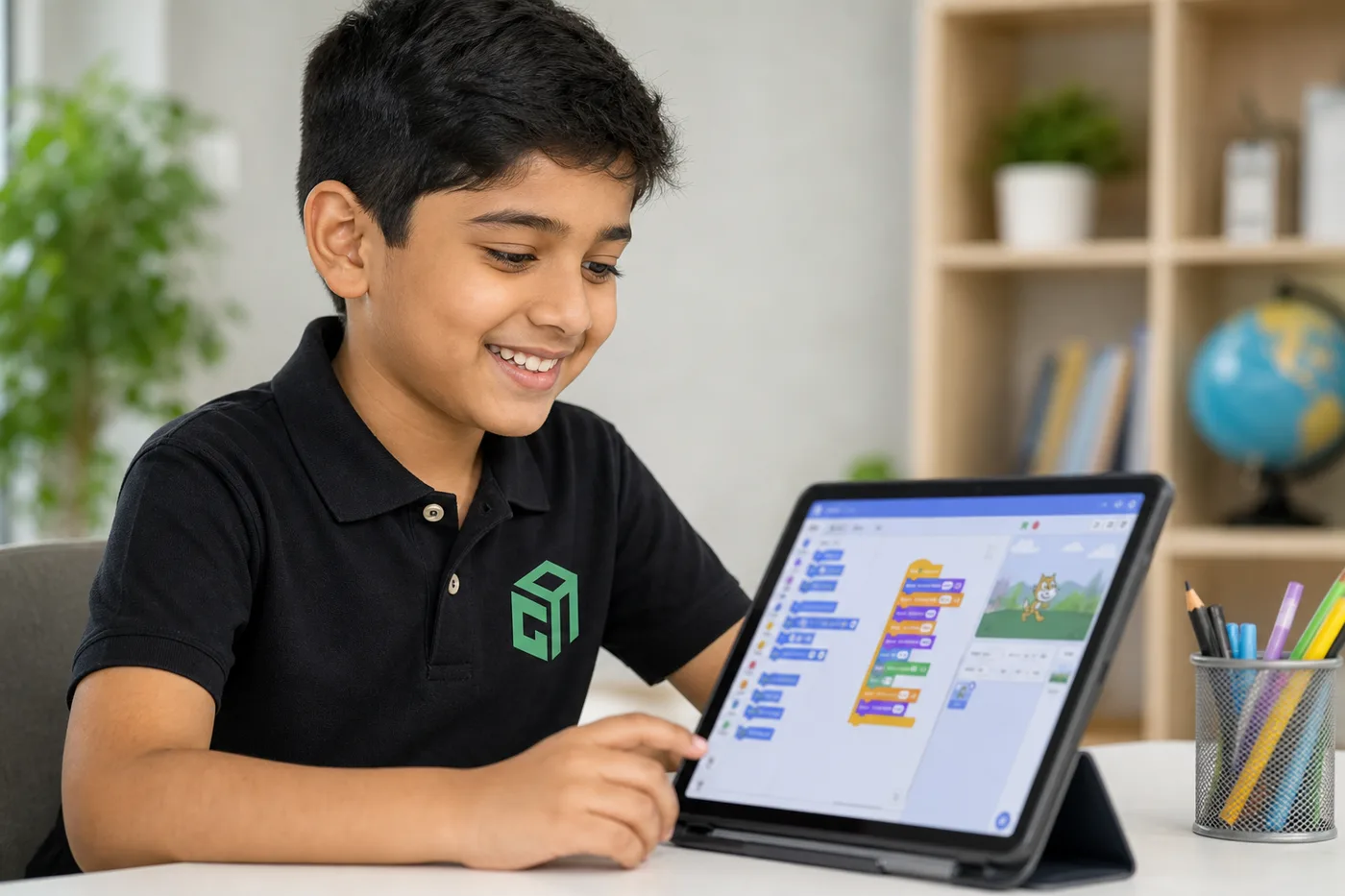
US families do not need a Saturday drive to a coding cafe. Live online classes work across EST–PST, after school, and for homeschool — with the same mentors as our other countries.
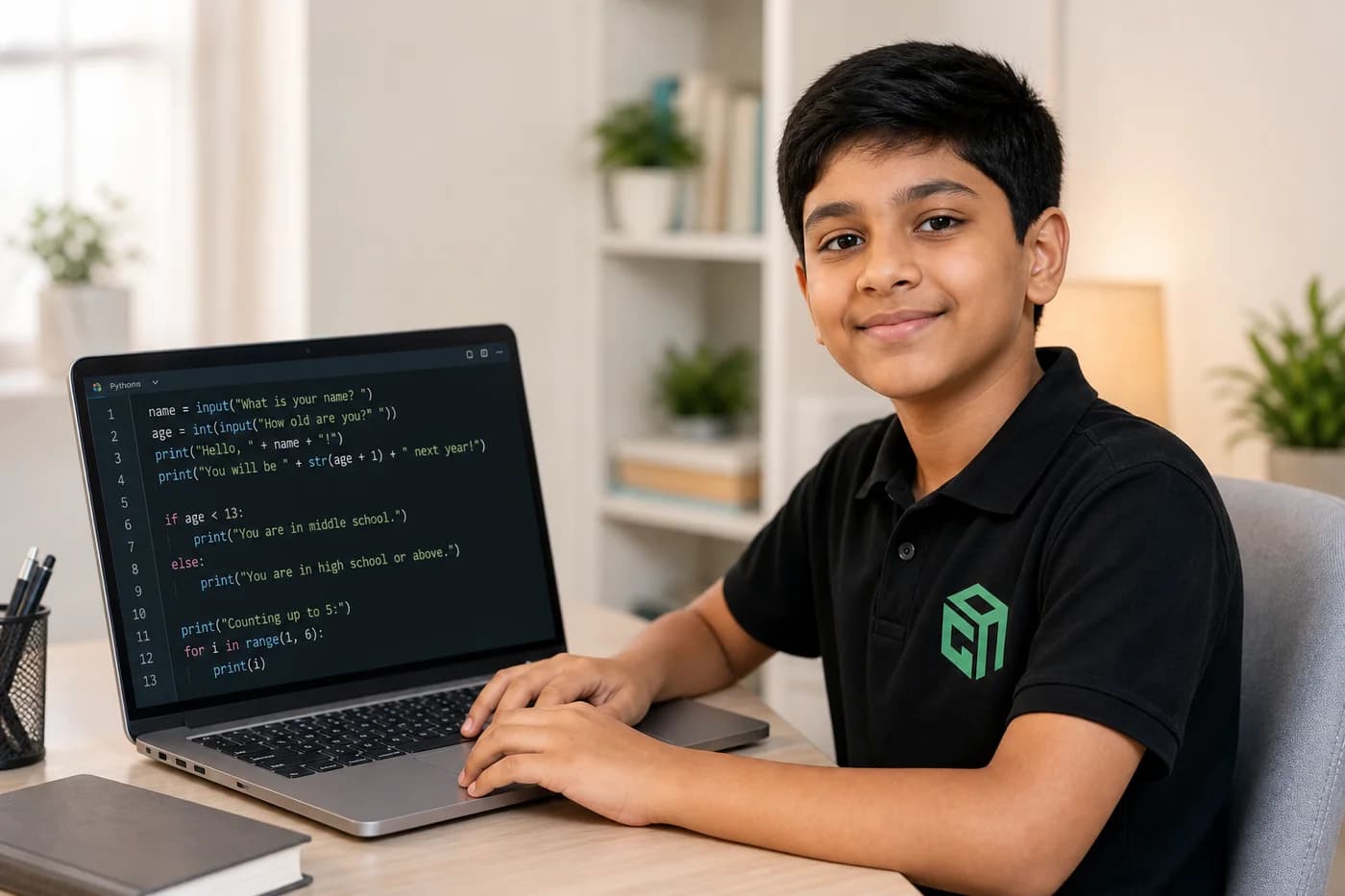
$6–$11 live sessions are cheap next to $20–$50+ US tutors. Cheap only fails when “class” means a recorded video. Here is how to tell live mentors and small batches from a discount app.
How US parents should pick live online coding and AI classes in 2026: time zones, $6–$11 sessions, $3 trial, grade placement, and syllabus — without copying the USA location page.
Yes — coding is good for most 8-year-olds when lessons are visual, short, and project-based. This 2026 parent guide covers the best age to start, Scratch vs Python, screen-time worries, and how to choose the first coding class.
The best coding language for kids in 2026 depends on age: Scratch for ages 7–10, Python for Class 6+ and teens, JavaScript for websites, and robotics for hands-on builders. Compare options and pick the right first path.
Not sure when your child should start coding, or whether to pick Scratch, Python, or something else? This friendly parent's guide covers ages 6–18, courses, screen time, and simple next steps—without the jargon.
For Class 3–5 kids, Scratch is usually the better first step; Python is better once they can type and follow longer instructions. This parent guide compares Scratch vs Python by age, learning style, and what to choose next.
Most kids can start coding around ages 7–8 with visual tools; typed languages like Python usually fit better from Class 5–6. Here is a clear age-by-age parent guide for when to start coding in 2026.
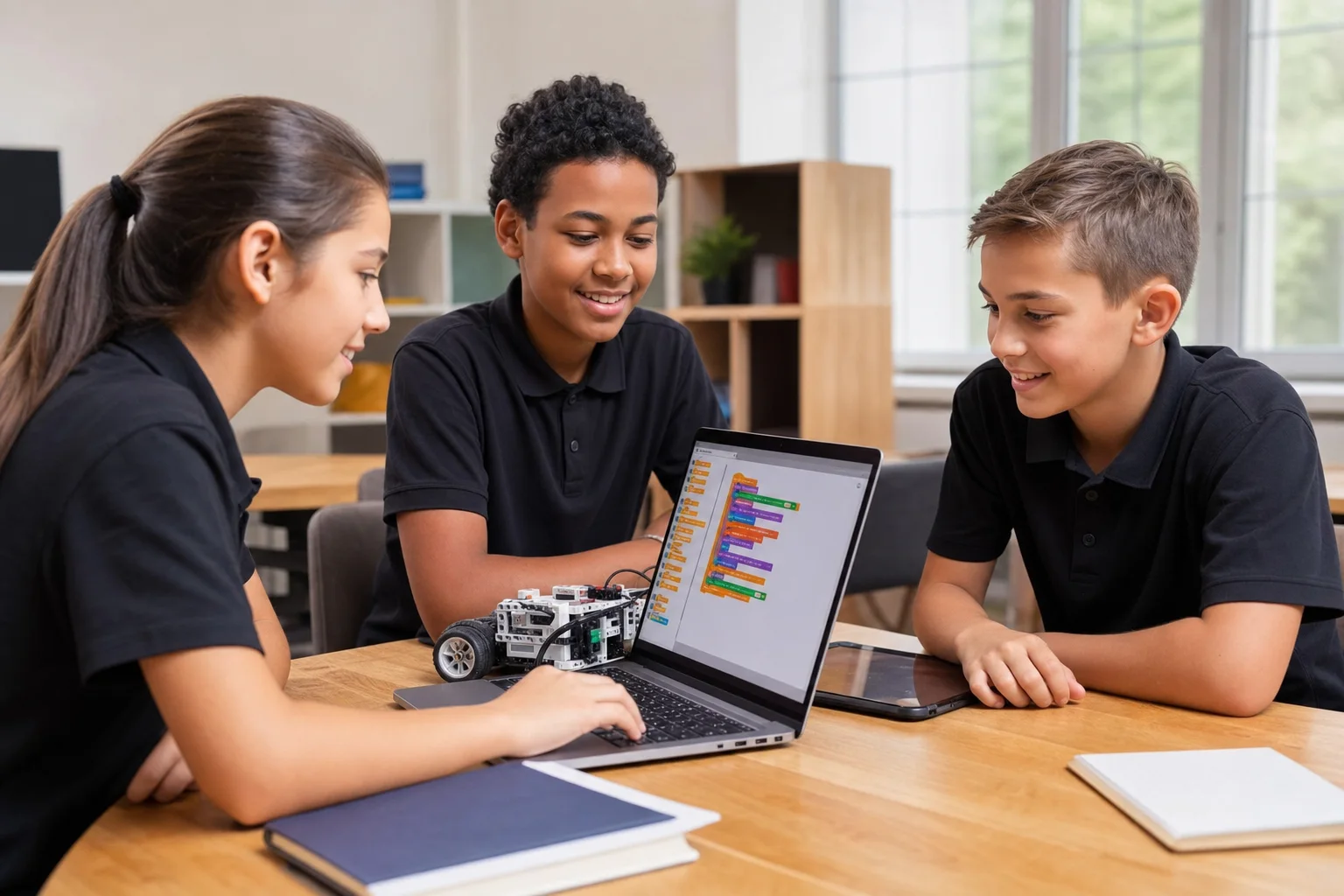
Yes — coding and computational thinking appear across CBSE and ICSE pathways through computer applications, AI awareness, and related subjects, though depth varies by class and school. Here’s what parents should know in 2026.
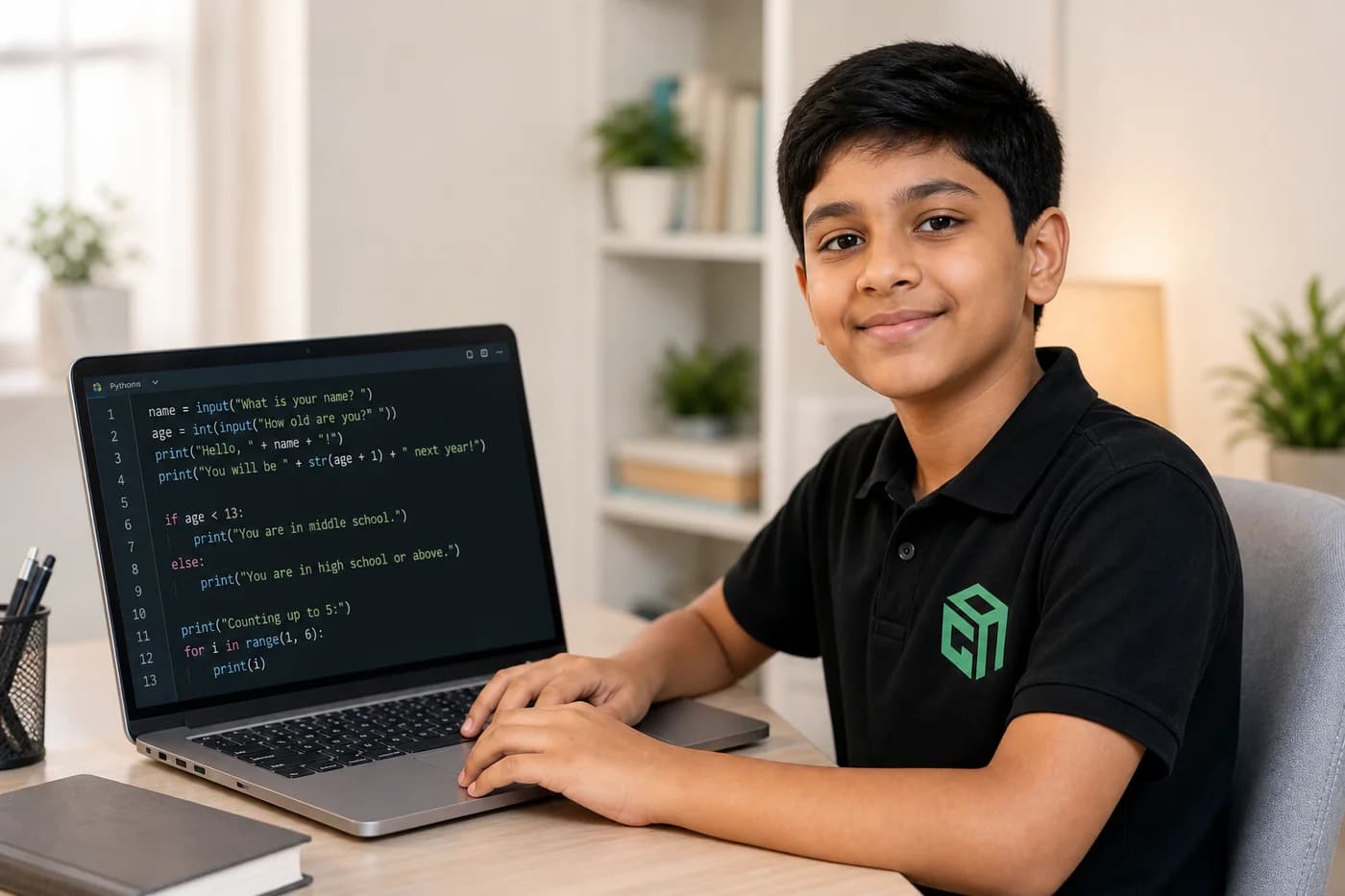
A Python certificate can motivate school students, but a project portfolio usually matters more. Certificates are worth it when they follow real skills — not when they replace learning with a paid PDF.
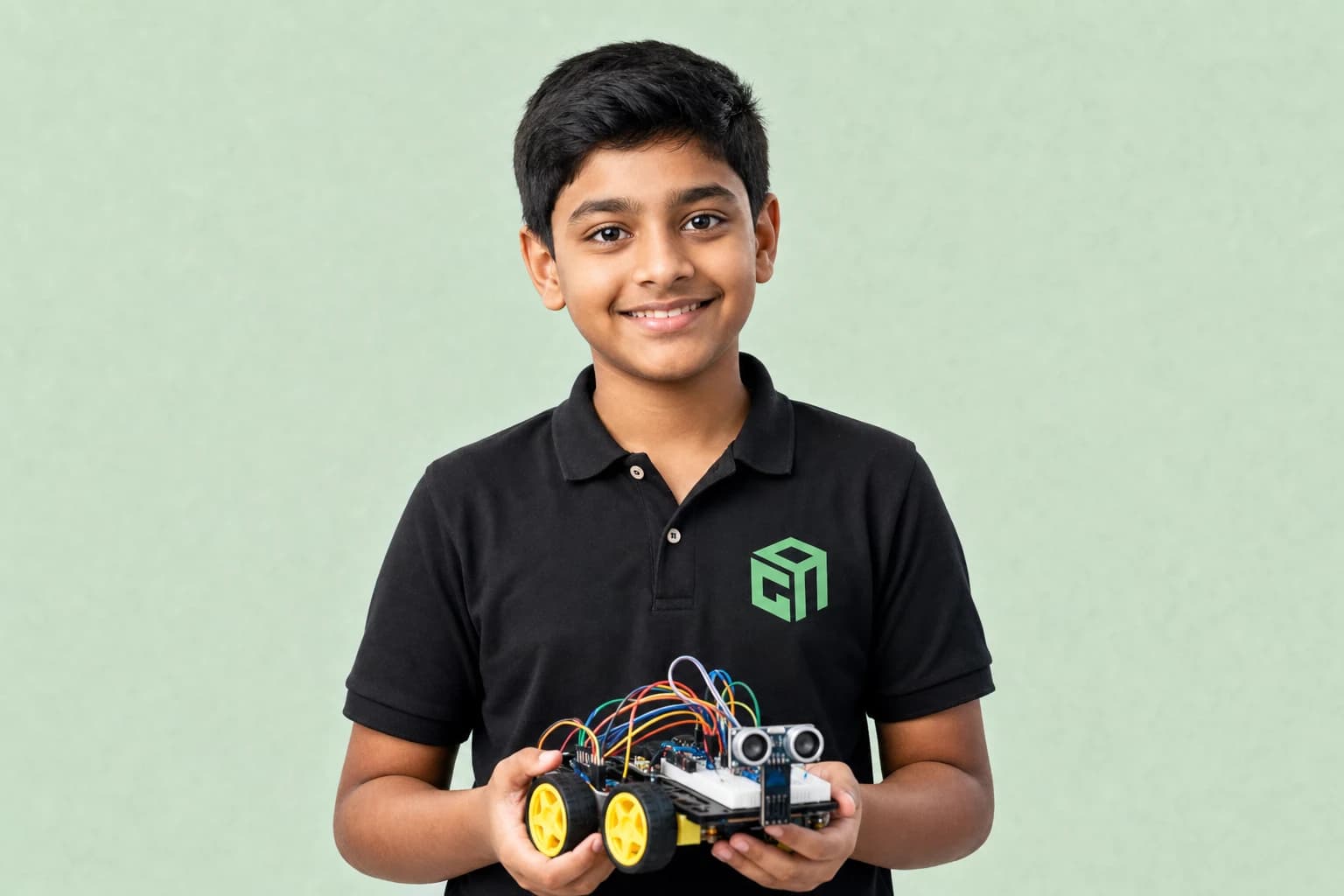
For most beginners, start with a basic electronics + Arduino-compatible starter kit, not the most expensive robot. This 2026 guide compares what to buy for kids in India, the US, and the UK — and what to skip.
Python projects, AI literacy, and why coding matters.
In 2026, coding is becoming as essential as English for kids — not to make every child a software engineer, but to help them think clearly, create with technology, and stay confident in an AI-first world. A parent guide from GeekashramJr mentor Shivam Jha.
Python is a simple, readable coding language that helps kids build games, apps, and AI projects. This 2026 parent guide explains what Python is, the best age to start, beginner projects, and why school students should learn it.
Looking for Python projects for beginners and kids? Here are 18 beginner-friendly Python project ideas with code, difficulty levels, and time estimates — from chatbots and games to robot battles and AI practice.
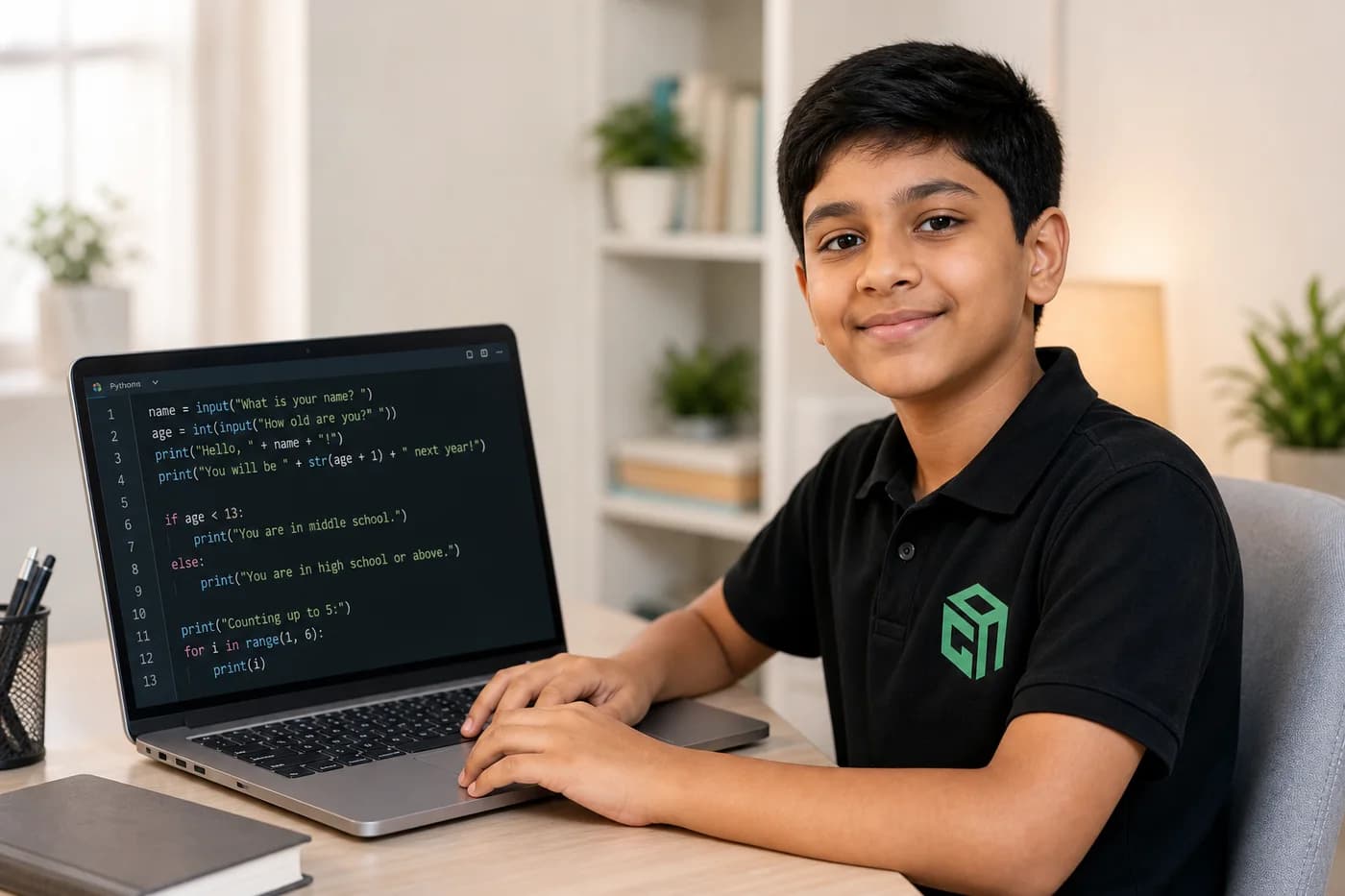
In the first month of Python, kids can build 10 small projects — from a guessing game and calculator to a quiz and mini chatbot — if lessons stay short, playful, and mentor-guided.
An LLM is like a super-fast pattern reader that predicts the next words — not a magic brain. Here’s a simple way to explain chatbots and AI to an 8-year-old, plus safe habits parents can teach at home.
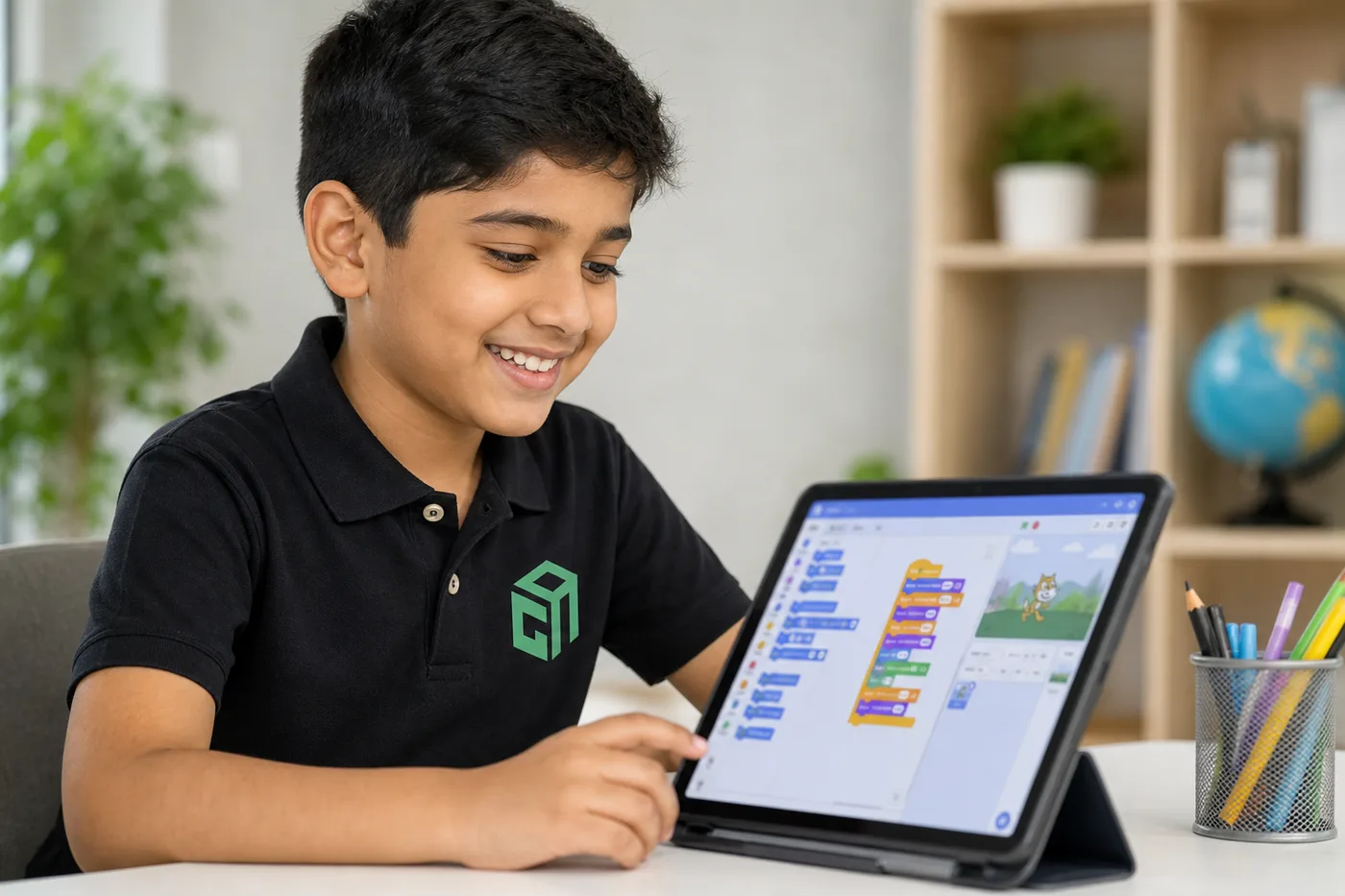
AI literacy means kids can understand what AI is, where it is used, how to prompt safely, and when not to trust it. Schools are adding it because AI now shapes homework, creativity, and future careers.
Breadboard, sensors, and kit how-tos — useful for builders, not the first stop if you are choosing a live class.
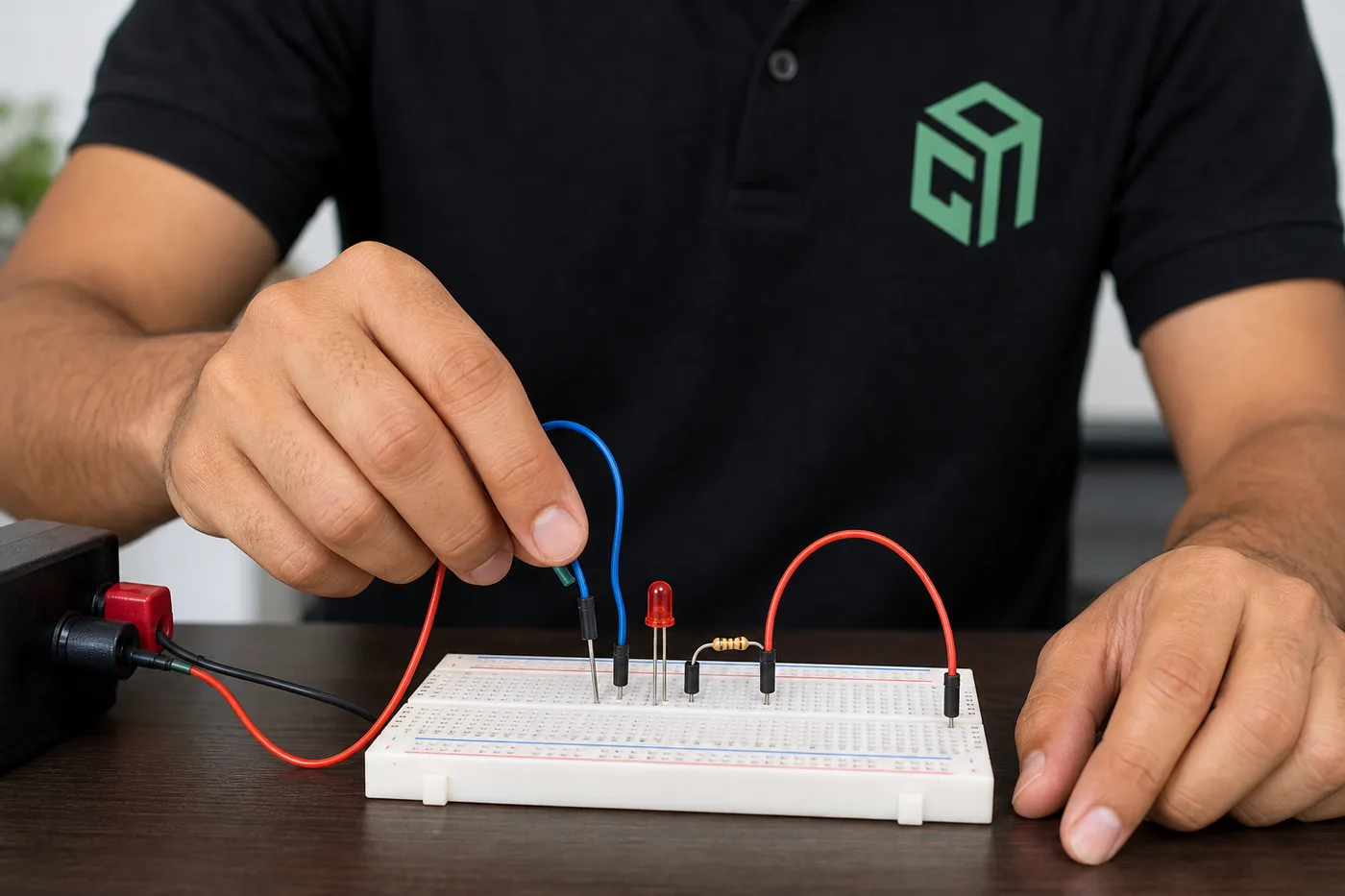
A breadboard lets beginners build electronics circuits without soldering. This 2026 kids robotics guide explains breadboard sections, power rails, jumper wiring, and a simple LED experiment step by step.
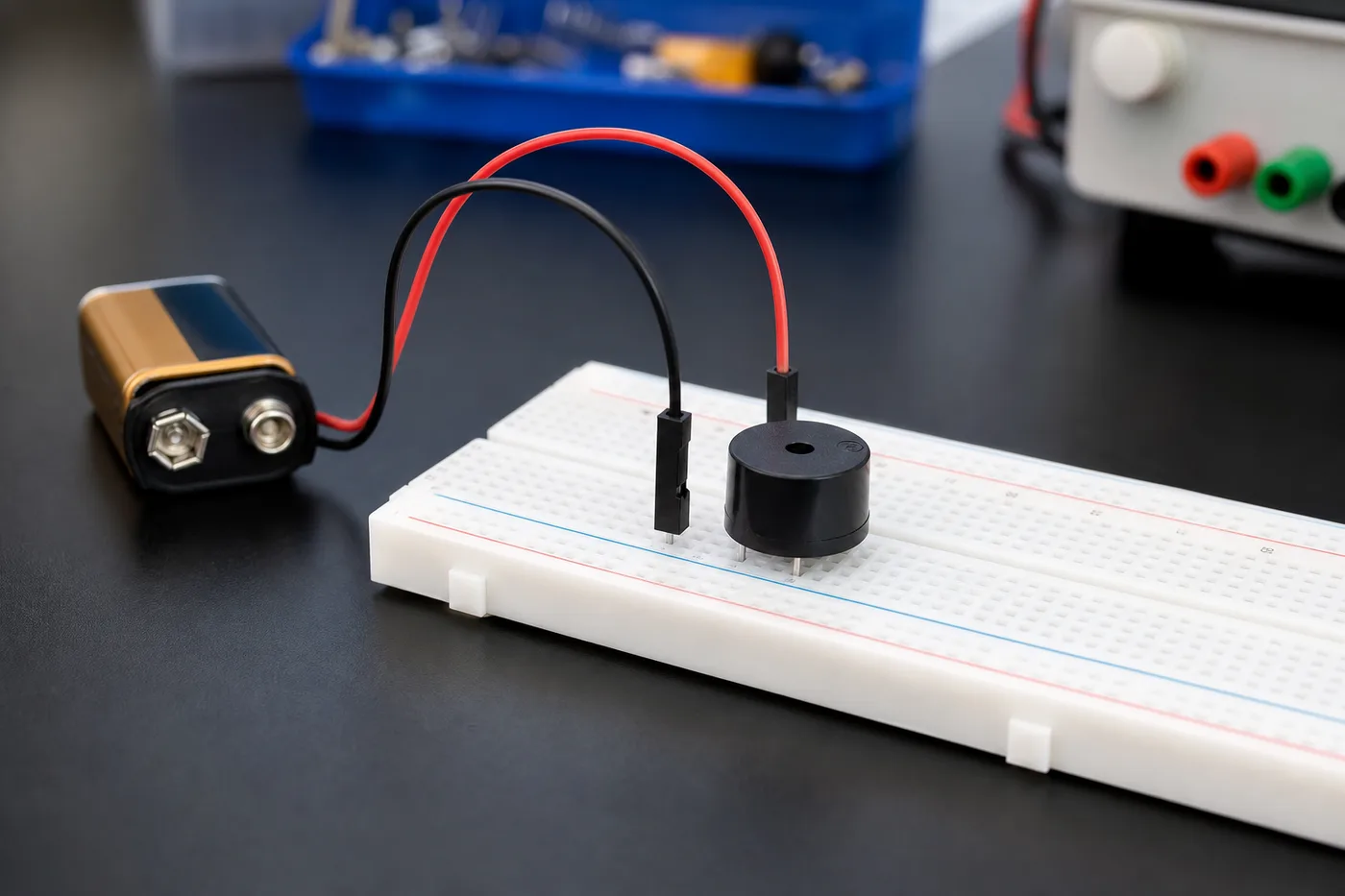
Learn how to test a piezo buzzer on a breadboard with a 5V supply, push button, and optional LED indicator. A simple kids robotics project that teaches polarity, switches, and sound circuits.
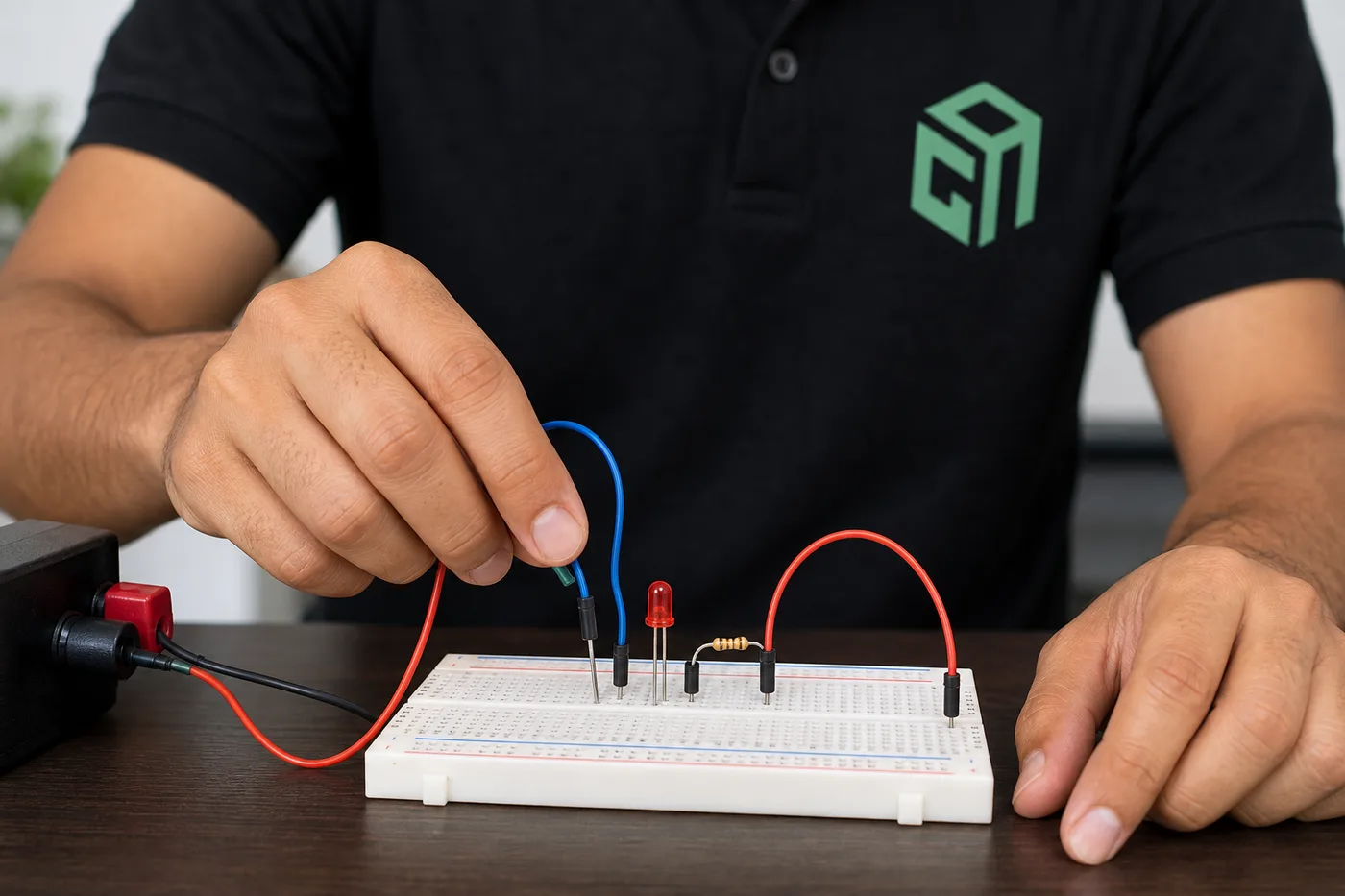
Arduino is a beginner-friendly electronics board kids use to make lights, sensors, and robots respond to code. Parents do not need an engineering degree — just a laptop, a starter kit, and live mentor guidance.
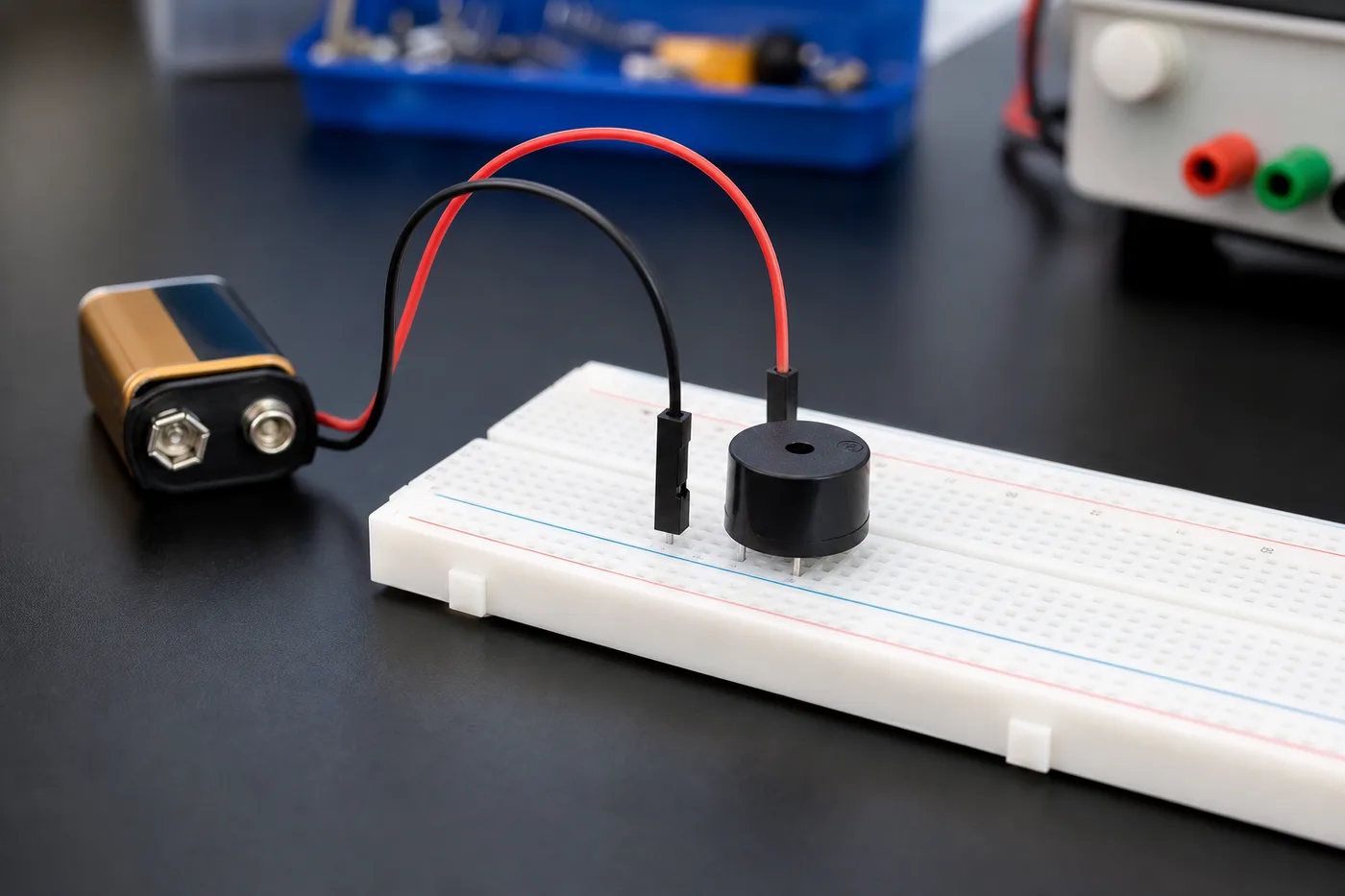
LDR senses light, ultrasonic measures distance with sound, and PIR detects motion from body heat. This kids-friendly sensors 101 explains each one with simple uses in school robotics projects.
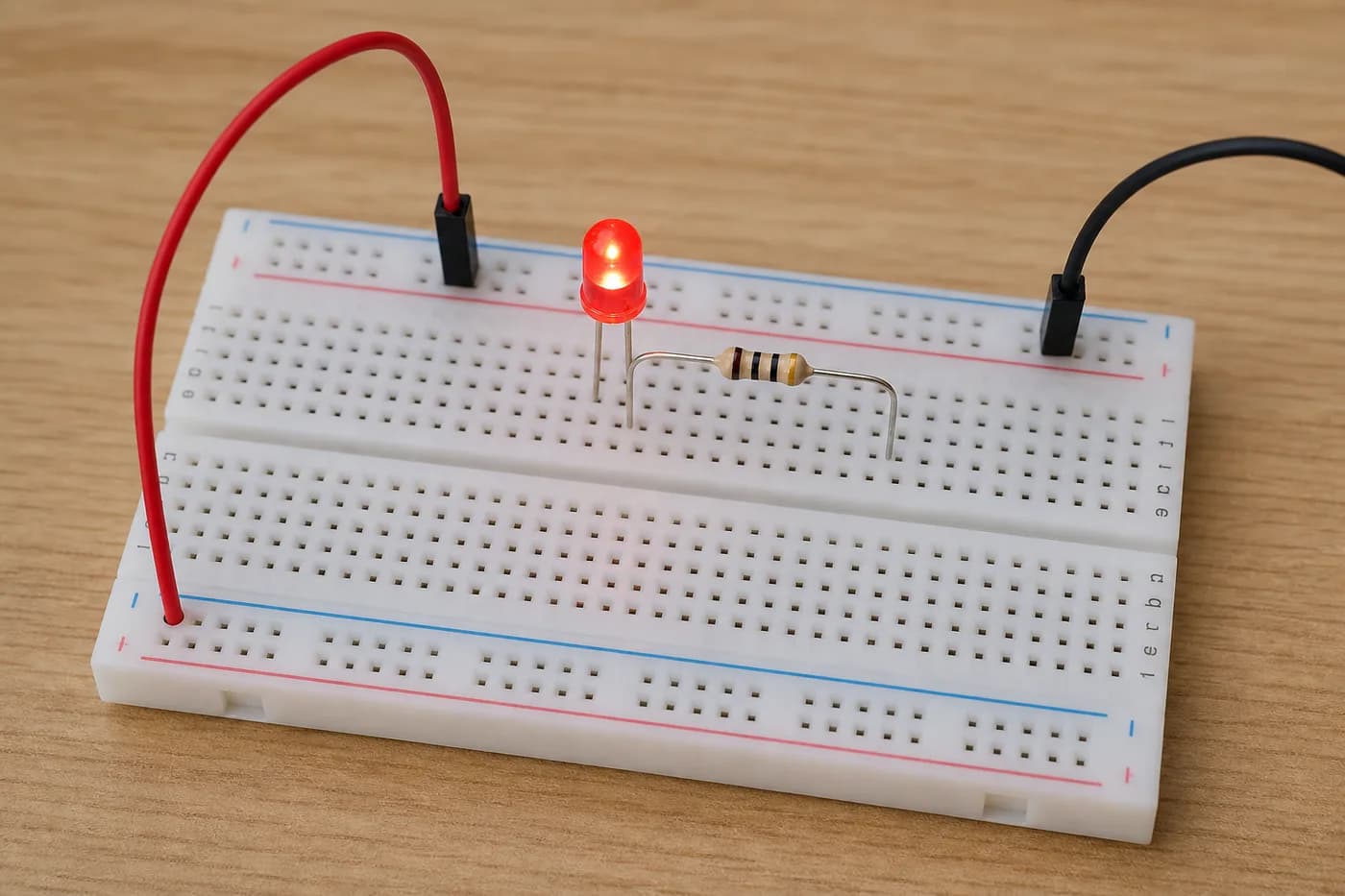
To light an LED on a breadboard, connect power through a resistor to the LED’s long leg and return the short leg to ground. This kids guide covers polarity, resistor role, and common mistakes.
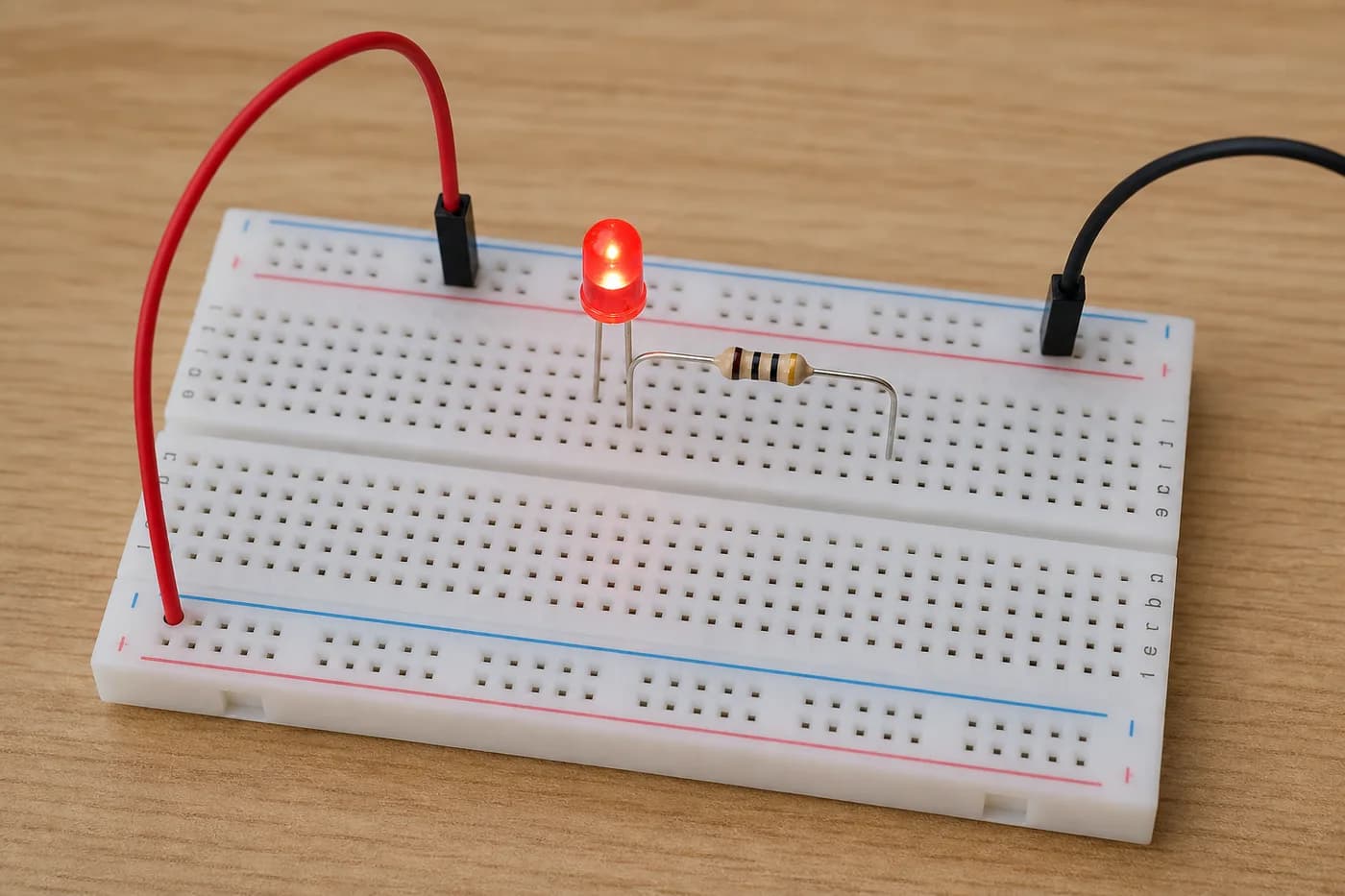
To test a small DC motor, give it the correct low-voltage supply and a safe switch or driver path — never wire motors carelessly to logic pins alone. This kids guide covers beginner motor testing safely.
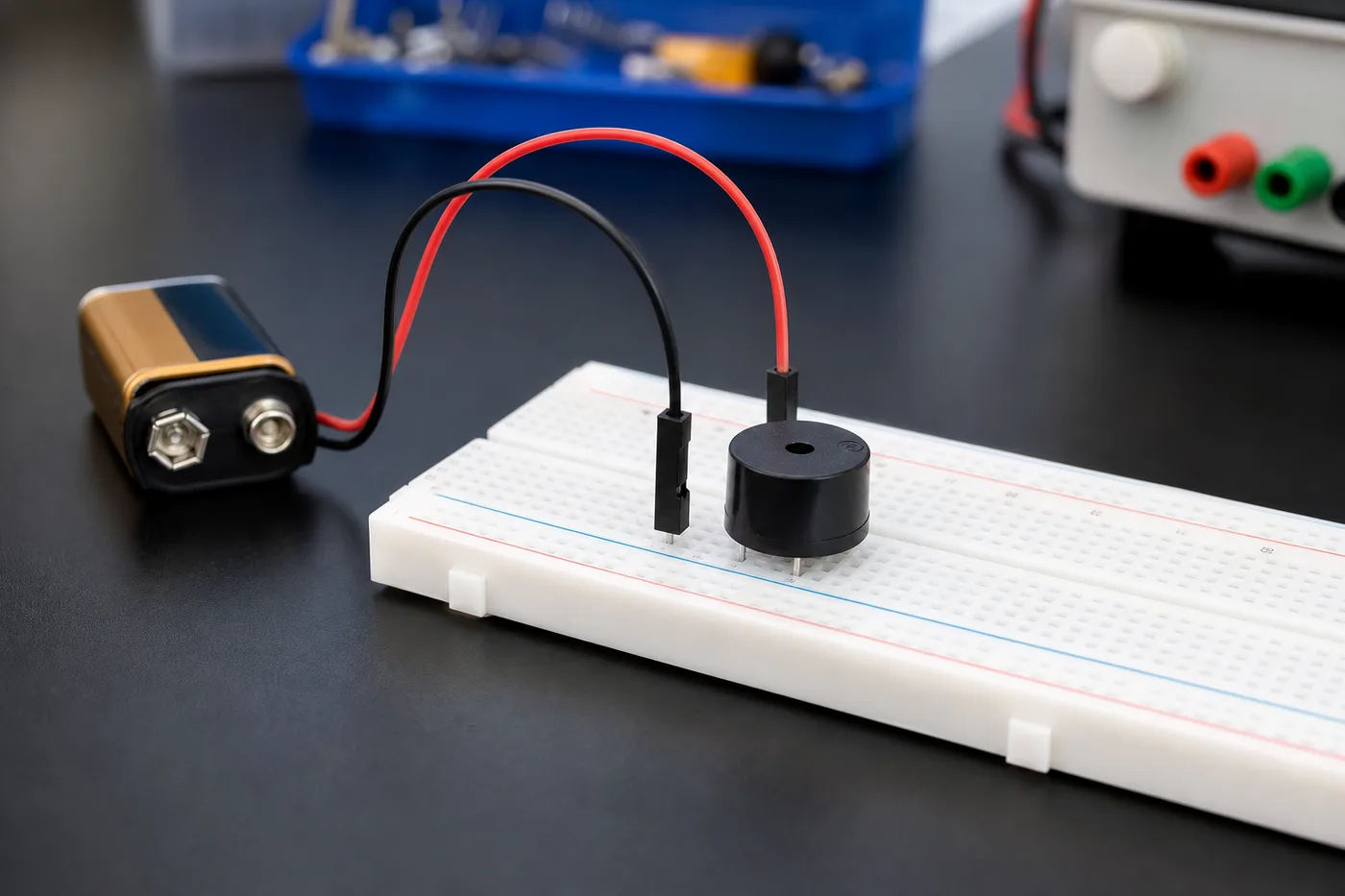
A relay is an electrically controlled switch. Kids use relay modules so a small signal can control a separate circuit safely — with mentor supervision and low-voltage kits only.
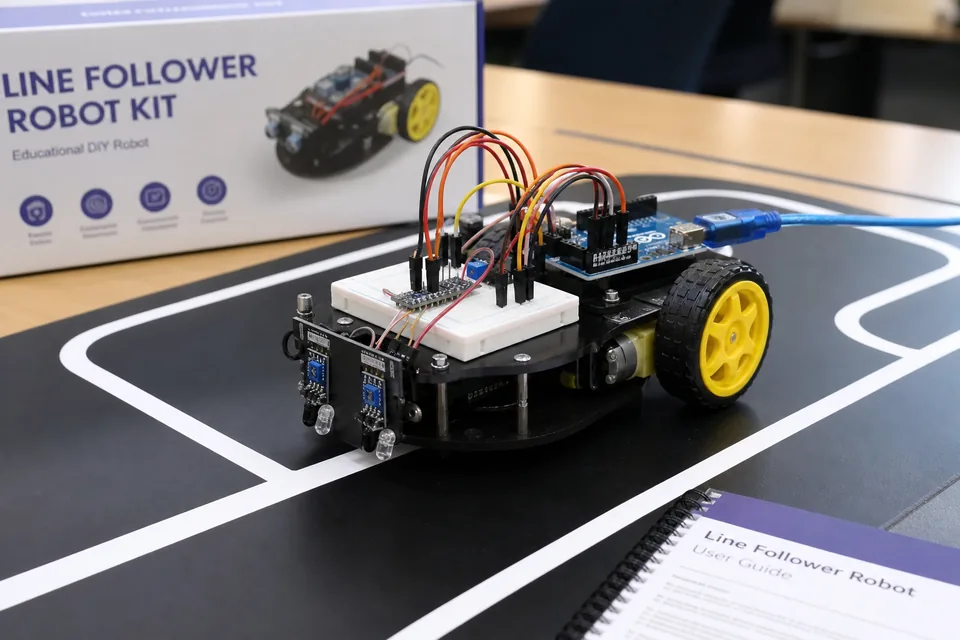
A line-follower robot uses IR sensors to detect a dark line on a light floor, then adjusts left/right motors to stay on track. Here is how it works for beginner kids robotics.
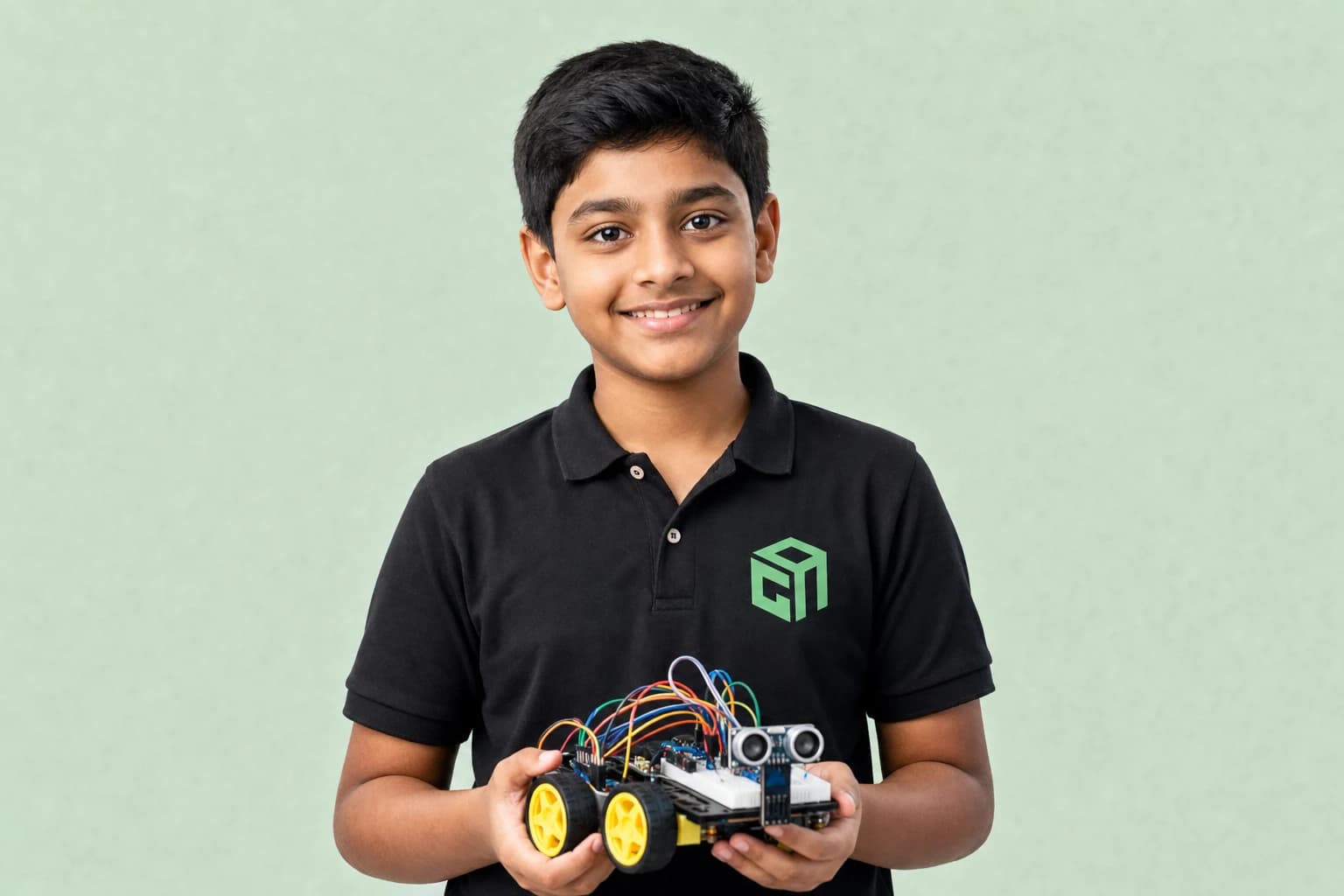
An obstacle-avoiding robot uses an ultrasonic (or IR) distance sensor to stop or turn before hitting objects. This beginner guide explains the logic kids learn before building one in class.